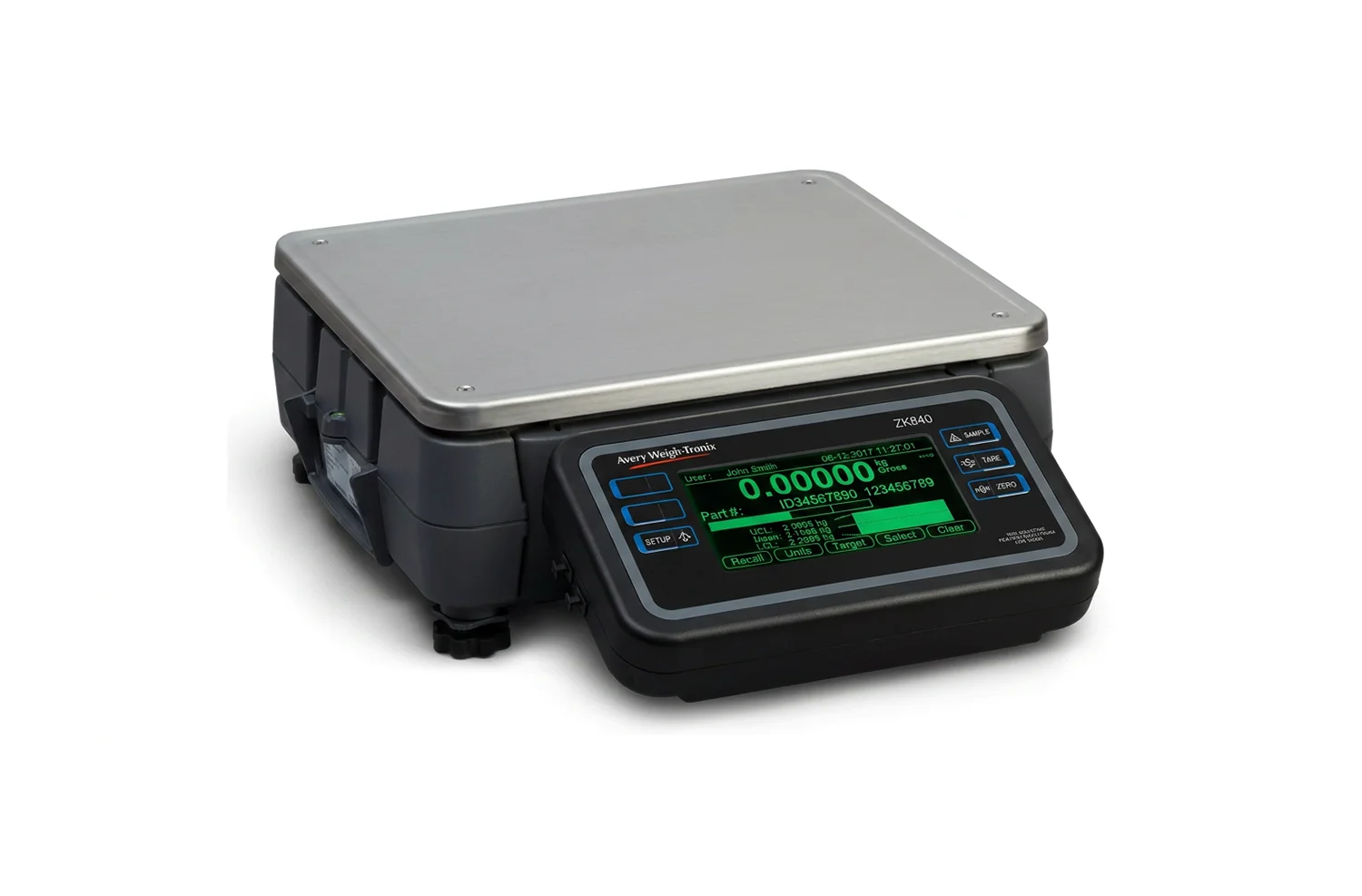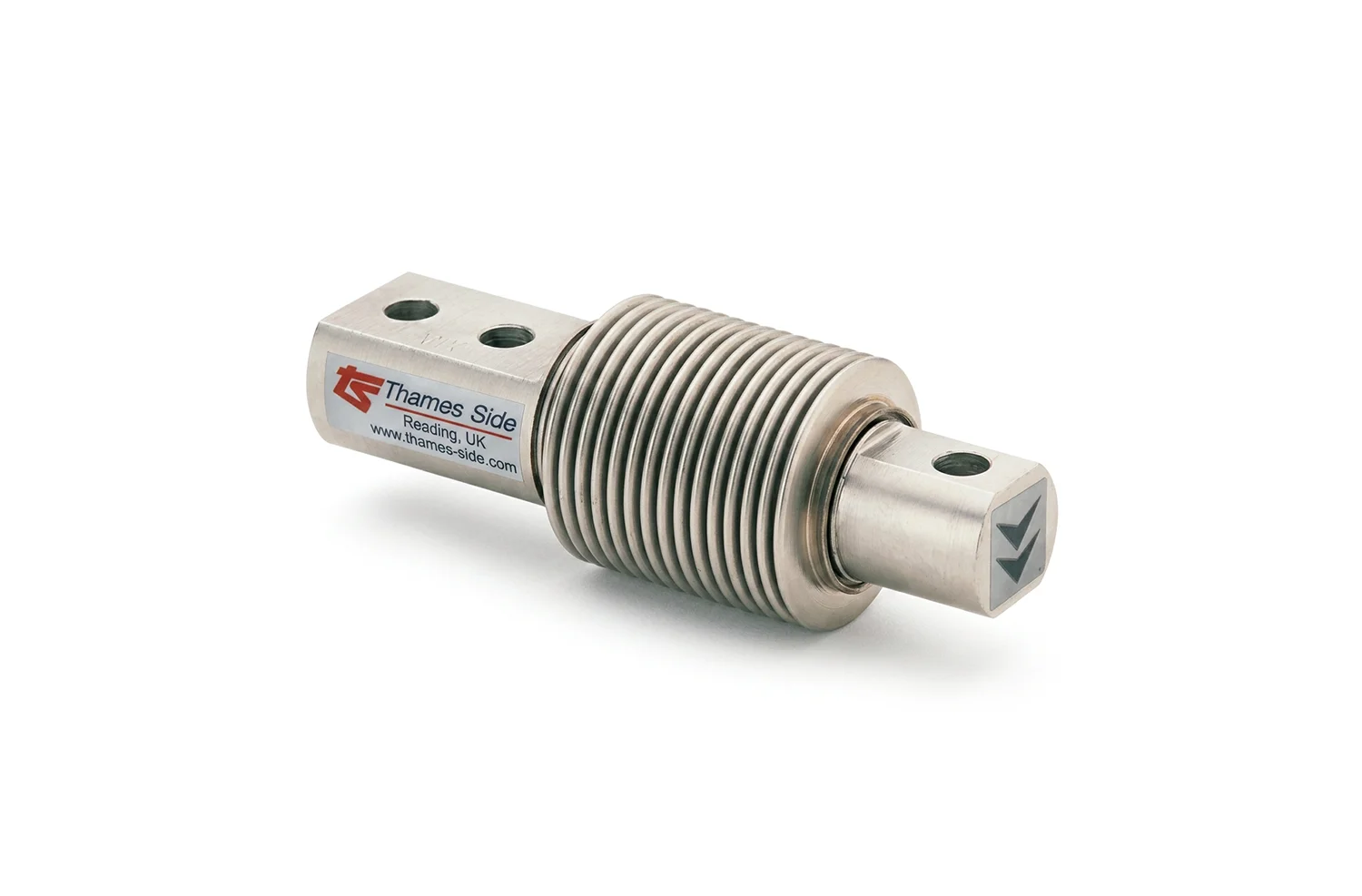
A load cell is a core component in modern weighing and force measurement systems. It converts mechanical force into an electrical signal, helping industries measure weight accurately in applications such as scales, tanks, hoppers, and process equipment.
What Is a Load Cell?
A load cell is a sensor designed to measure force or weight. In simple terms, it detects how much load is applied to it and converts that force into a measurable electrical output. This makes it one of the most important technologies in industrial weighing.
Load cells are widely used wherever accurate measurement is needed. From platform scales to automated production lines, they help ensure consistency, safety, and process control. ZFA supplies certified manufactured load cells for a variety of industrial requirements.
How a Load Cell Works
Most load cells work using the strain gauge principle. When force is applied, the metal body of the load cell deforms slightly. That tiny deformation changes the resistance of the strain gauge attached to it, and the change is converted into an electrical signal.
That signal is then read by a weighing indicator, controller, or data acquisition system. The result is a reliable measurement of force or weight. This process is fast, accurate, and suitable for many industrial environments.
Key Specifications to Understand
Before selecting a load cell, it is important to understand the main technical specifications. These details determine whether the load cell will perform well in your application.
- Capacity: The maximum load the cell can measure.
- Accuracy: How closely the reading matches the actual load.
- Sensitivity: How much output signal changes with applied force.
- Output signal: The electrical response produced by the load cell.
- Overload rating: The amount of extra load the cell can tolerate safely.
- IP rating: The level of protection against dust and moisture.
- Calibration: The process of ensuring measurement accuracy.
These specifications should always match the application environment and weighing requirement. A load cell that works well in a dry indoor scale may not be suitable for a harsh industrial setting.
Main Types of Load Cells
Different load cell types are designed for different weighing and force measurement needs. Understanding the basic differences helps you choose the right one for your system.
1. Bending Beam Load Cells
Bending beam load cells are commonly used in platform scales and low to medium capacity weighing systems. They are valued for their compact design and dependable performance.
These load cells work well in applications where the load is applied in a controlled way. They are often used in industrial weighing platforms, packaging systems, and smaller scale installations.
2. Column Load Cells
Column load cells are designed for high-capacity applications. Their structure makes them suitable for measuring heavy loads with strong stability.
They are often used in large-scale industrial systems where vertical force measurement is required. Because of their strength, they are a good choice for demanding weighing environments.
3. Compression Load Cells
Compression load cells measure force in a pushing or compressive direction. They are widely used in tank weighing, silo weighing, and heavy industrial applications.
Their design makes them suitable for situations where the load is applied directly downward. They are commonly selected when structural strength and long-term stability are important.
4. Double Ended Shear Beam Load Cells
Double ended shear beam load cells are often used in high-capacity weighing systems, especially where stability is critical. They are designed to handle larger loads with strong resistance to side movement.
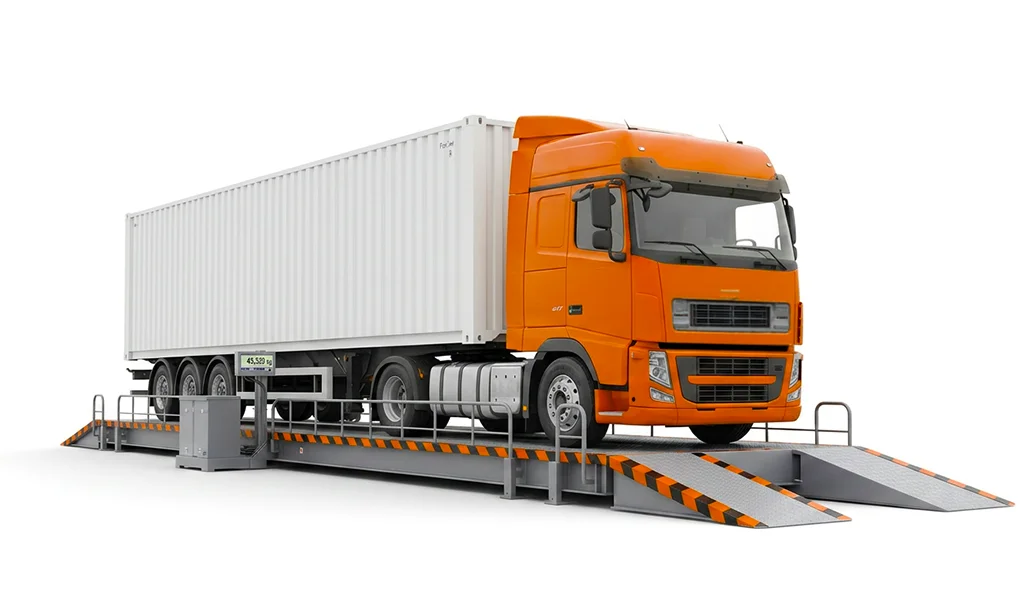
These load cells are popular in truck scales, vessel weighing, and heavy-duty platforms. Their design supports reliable performance in industrial environments.
5. Shear Beam Load Cells
Shear beam load cells are among the most widely used types in industrial weighing. They offer a balance of accuracy, durability, and versatility.
They are commonly found in tank scales, hopper scales, and platform systems. Their performance makes them suitable for many general-purpose industrial weighing applications.
6. Single Point Load Cells
Single point load cells are designed for platform scales and applications where the load may not be perfectly centered. This is one of their main advantages.
They allow accurate measurement even when weight is distributed unevenly across the platform. That makes them especially useful in retail scales, bench scales, and compact weighing systems.
Comparing Key Load Cell Types
Different load cell types offer different strengths. The table below gives a quick side‑by‑side view to help you choose the most suitable option for your weighing application.
| Load Cell Type | Typical Capacity Range | Typical Applications | Key Advantages |
|---|---|---|---|
| Bending Beam | Low to medium | Platform scales, packaging lines, small tanks | Compact design, dependable performance, easy integration |
| Column | Medium to very high | Truck scales, silos, heavy industrial systems | Handles high loads, strong vertical stability |
| Compression | Medium to high | Tank weighing, silo weighing, heavy process vessels | Robust under direct downward loads, long-term stability |
| Double Ended Shear Beam | High | Truck scales, large hoppers, vessel and bridge weighing | Stable under heavy loads, resists side forces |
| Shear Beam | Low to high (general use) | Tank scales, hopper scales, floor and platform systems | Versatile, durable, widely used in industrial weighing |
| Single Point | Low to medium | Bench scales, retail scales, small and mid-size platforms | Accurate with off-centre loads using a single load cell |
How to Choose the Right Load Cell?
Choosing the right load cell starts with understanding the application. The type of equipment, the maximum load, the mounting conditions, and the environment all matter.
If the application involves a platform scale, a single point load cell may be suitable. For tank or hopper weighing, shear beam or compression load cells are often preferred. For heavier industrial loads, column or double ended shear beam load cells may be more appropriate.
Environmental conditions are also important. If the system is exposed to moisture, dust, vibration, or temperature changes, the load cell should be selected with the right protection and durability. Accuracy requirements should also be reviewed carefully before making a choice. ZFA is an authorized brand of international suppliers, offering certified load cell solutions.
Common Applications of Load Cells
Load cells are used across many industries because they make precise measurement possible. Their use goes far beyond simple weighing scales.
Common applications include:
- Platform scales.
- Tank weighing systems.
- Hopper and silo weighing.
- Process automation.
- Packaging equipment.
- Force testing machines.
- Industrial batching systems.
In each of these applications, the load cell helps improve accuracy and control. That is why it remains a key component in both basic and advanced weighing systems.
Why Certification and Build Quality Matter?
Load cells must deliver consistent performance over time. Certification and manufacturing quality help ensure the sensor performs reliably under real operating conditions.
A well-made load cell reduces the risk of error, downtime, and maintenance issues. It also helps support stable readings in demanding environments. ZFA supplies certified manufactured load cells designed to support industrial users who need dependable measurement solutions.
Conclusion
A load cell is more than just a sensor. It is a critical measurement device that supports accurate weighing, force detection, and process control in many industries.
By understanding how load cells work, the key specifications to check, and the differences between load cell types, buyers and engineers can make better technical decisions before purchase.
ZFA offers a range of certified manufactured load cells, including bending beam, column, compression, double ended shear beam, shear beam, and single point load cells, for users who need reliable industrial options.
Frequently Asked Questions
Below are a few practical questions people often ask when they are researching load cells for the first time. These FAQs focus on decision-making, compatibility, and buying considerations.
1) What load cell type fits my application?
The right type depends on the equipment, load direction, and mounting setup. Platform scales, tanks, hoppers, and heavy industrial systems often need different load cell designs.
2) How do I know what capacity I need?
Choose a capacity that is higher than the expected maximum load, with enough safety margin for peak use. The exact margin depends on the application and system design.
3) Can one load cell type work for different weighing systems?
Some load cell types are versatile, but not all are suitable for every system. The mounting method, load distribution, and accuracy requirement usually determine the best fit.
4) What details should I check before ordering?
Check the application, required capacity, mounting dimensions, and environmental conditions. These factors help avoid compatibility issues during installation.
5) Why do buyers compare certified manufacturers?
Buyers often prefer certified manufacturers because they want consistent quality and dependable performance. This is especially important when the load cell will be used in industrial weighing or production environments.