Choosing between a concrete and a steel weighbridge is one of the earliest and most important decisions in a vehicle weighing project. Both are proven structures, but they differ in installation approach, structural behavior, maintenance access, and how well they fit different site conditions and operational priorities.
For most operations, the better question is not simply which deck material is better, but which weighbridge design better supports traffic volume, civil readiness, installation timelines, and long-term use. Foundation quality, load cell integration, and installation accuracy also affect performance just as much as the top structure itself.
Why the Choice Matters?
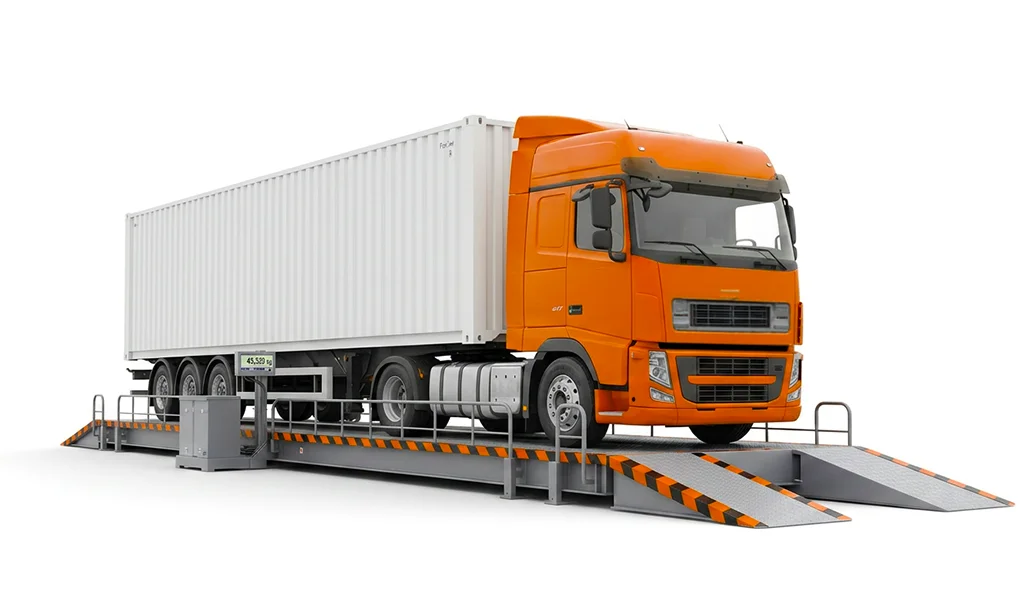
A weighbridge is a complete industrial weighing system, not only a deck. Long-term accuracy depends on the relationship between the structure, the foundation, the load cells, the indicator, and the alignment of the installed system.
This is why operations should evaluate site layout, expected truck flow, maintenance access, and future expansion before selecting between steel and concrete. A well-matched weighbridge supports more stable operation, smoother installation, and better lifecycle value over time.
Concrete Weighbridges
Concrete weighbridges are often selected where long-term fixed installation and regular heavy traffic are expected. Their higher structural mass can help reduce vibration and provide a stable platform under repeated use, which is why they are commonly considered for demanding industrial environments.
They are usually a strong fit when the site is permanent, traffic is high, and platform rigidity is a major priority. At the same time, their performance depends heavily on accurate civil works, proper deck construction, and correct alignment during installation.
Steel Weighbridges
Steel weighbridges are often chosen when faster installation, modular delivery, and deployment flexibility are more important. Their prefabricated structure can simplify transport, shorten project timelines, and make future relocation more realistic in some operating environments.
This makes steel weighbridges attractive for projects with tighter schedules or sites that may need a more adaptable weighing setup. Because the structure is lighter, foundation support, dynamic load management, and installation precision become especially important for reliable long-term operation.
Industry analysis shows that concrete weighbridges can offer a service life up to 5–7 years longer than comparable steel structures, while steel decks remain the preferred option when fast installation and future relocation are priorities.
Comparing Both Options
| Factor | Concrete Weighbridge | Steel Weighbridge |
|---|---|---|
| Structural behavior | Higher mass and rigidity can support stable performance under repeated heavy traffic. | Lighter prefabricated structure can improve logistics and deployment flexibility. |
| Installation | Usually depends on more extensive civil work and site preparation. | Often faster to transport and assemble because of modular fabrication. |
| Best fit | Permanent sites with continuous use and high traffic volume. | Projects where speed, modularity, or possible relocation matter more. |
| Key requirement | Strong foundation accuracy and deck construction quality. | Precise support conditions, alignment, and load management. |
Weighbridge Types to Consider
The deck material is only one part of selection. Operations should also choose the weighbridge type that best matches vehicle flow, site space, civil constraints, and future flexibility.
1) Above Ground Weighbridge
An above ground weighbridge is installed on a prepared surface with approach ramps. It is often chosen where easier inspection and maintenance access are important and where the site has enough space for ramp entry and exit.
2) Fully In-Ground (Pit-mounted) Weighbridge
A fully in-ground weighbridge sits flush with ground level inside a constructed pit. This design is commonly used where space is limited because vehicles can access the platform without long ramps.
3) Multiple Deck Weighbridge
A multiple deck weighbridge uses more than one weighing platform section to suit longer vehicles or more specialized vehicle weighing layouts. It can support operations that need more flexible platform configuration or load analysis across vehicle sections.
4) Portable Weighbridge
A portable weighbridge is designed for temporary or semi-temporary operations that need quicker deployment and easier movement between sites. It is often considered for remote projects, temporary facilities, or locations where full civil construction is not ideal.
5) Semi-Pit Weighbridge
A semi-pit weighbridge combines characteristics of above ground and pit-mounted designs. It is often evaluated when a site needs a balance between space efficiency, access convenience, and practical installation conditions.
How to Choose the Right Weighbridge
The right weighbridge depends on how the operation will use it over time. Traffic frequency, truck sizes, available site space, soil and foundation conditions, maintenance access, and project schedule all influence whether concrete or steel is the stronger fit.
It is also important to assess whether the weighbridge should be permanent, modular, or relocatable. A site with limited space may favor a pit-mounted design, while a project with faster deployment needs may prefer an above ground or portable arrangement.
What Buyers Usually Ask Before Buying
Buyers usually focus on performance, installation, and fit with the site rather than the deck alone. These are common questions that come up before selecting a weighbridge system.
1) What weighbridge type is best for my site?
The answer depends on available space, traffic flow, vehicle approach layout, and the level of civil work the site can support. Above ground, pit-mounted, portable, and semi-pit designs each respond differently to those conditions.
2) How do I choose the right weighbridge capacity?
Capacity should match the heaviest vehicles expected on the platform, along with the operating pattern and any axle loading considerations. The weighing system should be sized for real use conditions, not only average vehicle weight.
3) Which weighbridge is easier to install?
Above ground and portable weighbridges are often easier and faster to install because they can reduce the amount of pit construction and complex civil preparation required. Pit-mounted systems usually need more civil work and closer control of construction accuracy.
4) What affects weighbridge accuracy after installation?
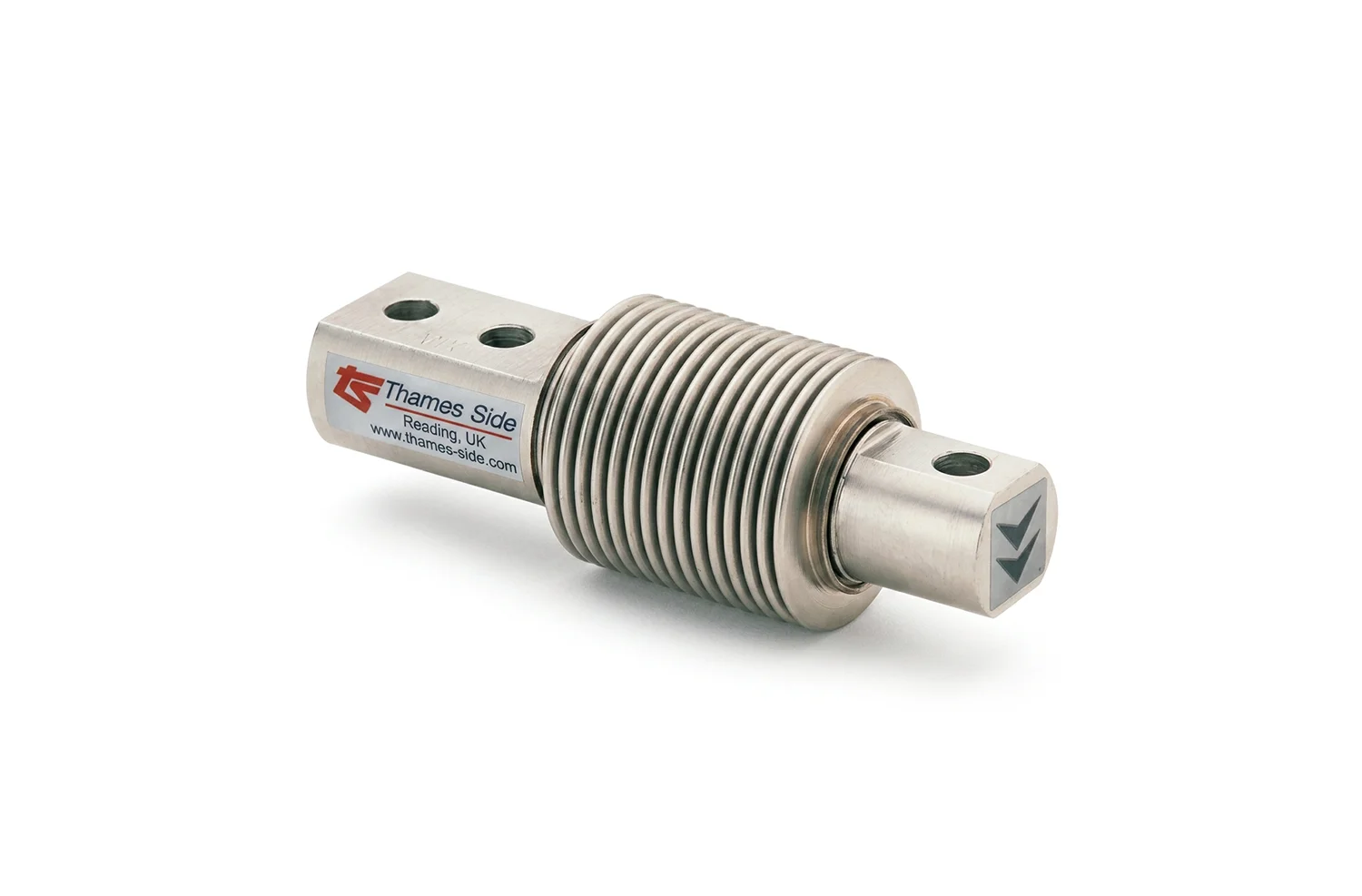
Accuracy depends on more than the deck type. Foundation level, module alignment, load cell placement, cable routing, checking gaps, and proper installation all contribute to stable weighing performance.
5) Can a weighbridge be customized for different operations?
Yes. Weighbridge design can be adapted based on site layout, vehicle type, traffic intensity, installation constraints, and operational workflow. ZFA is a manufacturer of customized weighbridges, designed to match different operational requirements rather than supply only standard configurations.
Final Thought
The choice between concrete and steel should be based on operational fit, not simple preference. With the right design, foundation, installation, and system integration, both options can support reliable long-term performance when they are matched correctly to the site and traffic demands.